

Living Together Imperfectly
Jerusalem’s ‘mixed grill’ of people

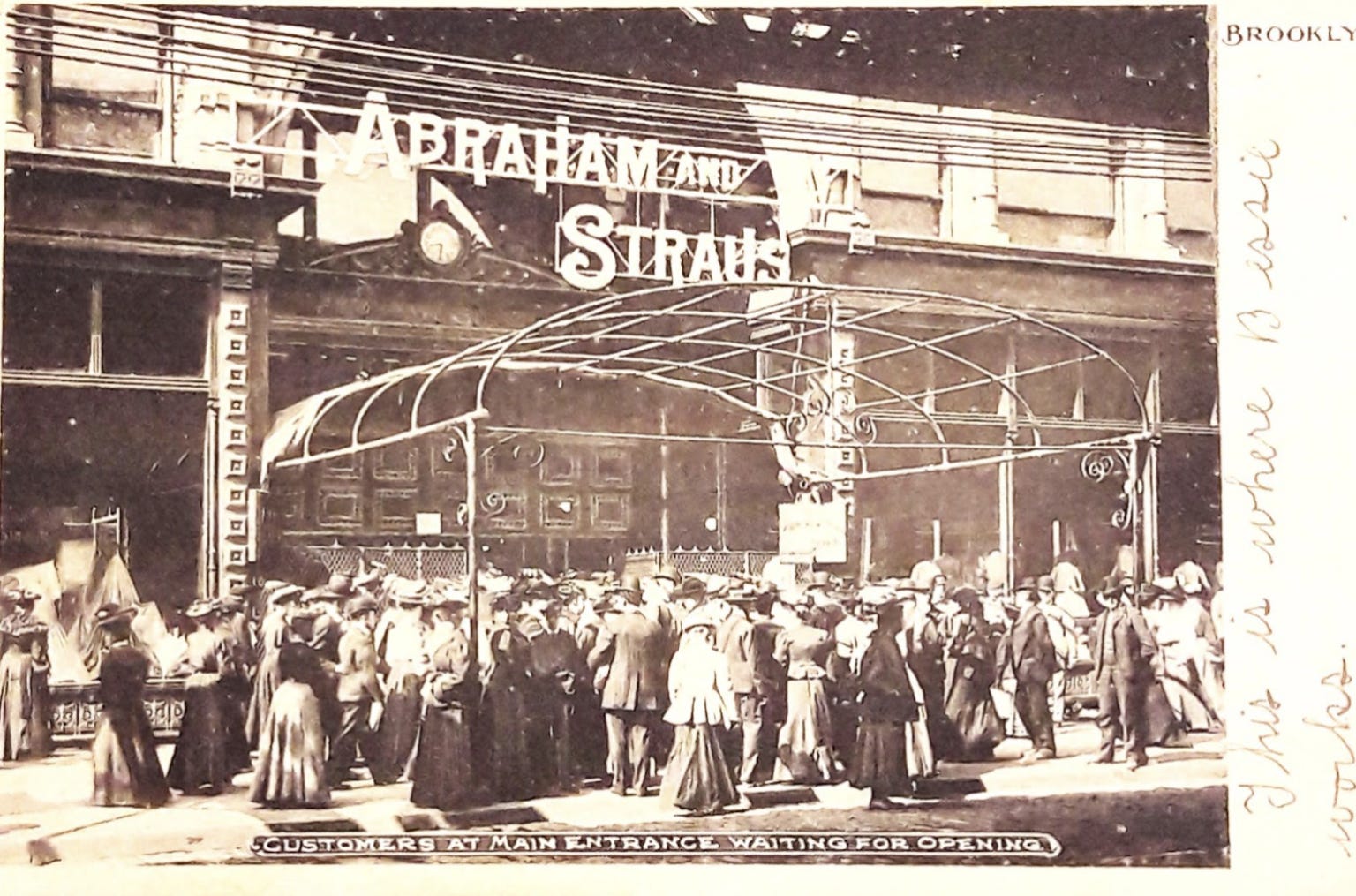
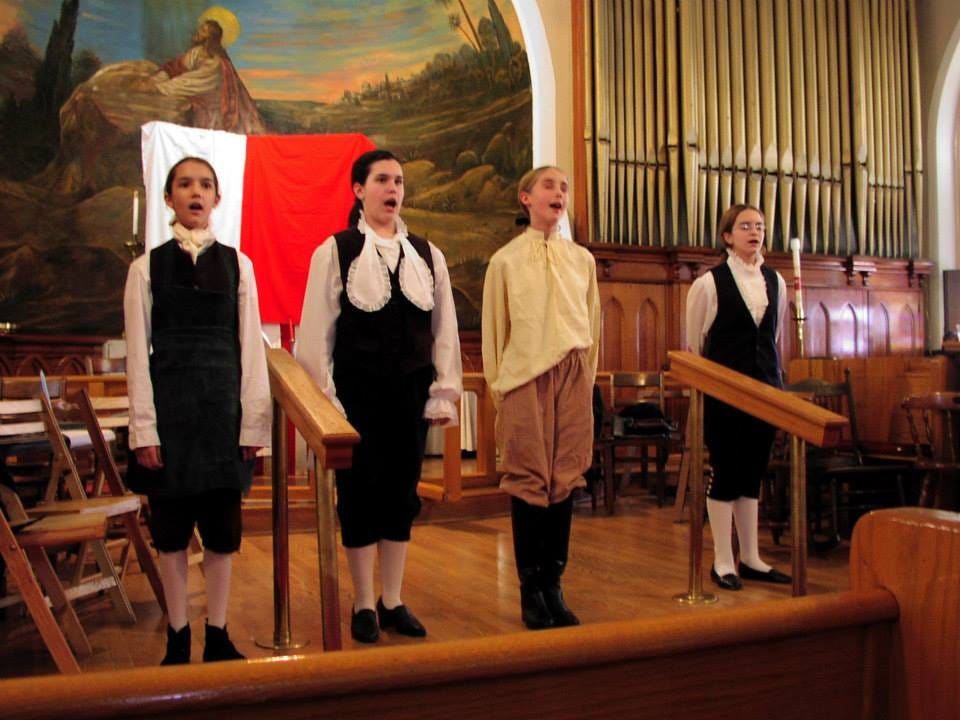
When my kids were small, and we still lived in Brooklyn, we were part of a NYC homeschooling community. I had parent buddies from across the religious, cultural and socioeconomic spectrum of NYC life. I got to know a bit about the Church of Latter Day Saints, and even attended a concert there (Gladys Knight was performing); met friends who were firefighters or married to firefighters (I didn’t know firefighters before them); directed 1776 in a Lutheran church sanctuary with actors aged 6-16, and in general got to know people from many different places.
It was fabulous and eye opening for a girl who grew up in mostly Jewish environments, from Orthodox Jewish day school to Jewish camps and youth groups.
Brooklyn was different. At least if felt that way for us. We lived in a changing neighborhood, nestled between the downtown shopping district (ah, remember A&S, and later Macy’s), and where the Nets now make their home. Many thought it was too edgy but in truth, we liked the mix of Latino neighbors who’d watched over the neighborhood during the harder years, the drug dealer who lived further the block, the hookers we’d see (and smile at) on our way to the free city pool nearby, and the likes of us, the interlopers, those “yuppies” who’d come in looking for affordable places to rent and buy and were without a doubt changing the fabric of the neighborhood.
Brooklyn is the 2nd largest (and densest) borough, with over 2.7 million people, one of the larger cities in the US. Every neighborhood has its mix of cultures and flavors, and most importantly, the beaches were easy to access and often eye opening because of the different communities who frequented them, from Brighton Beach for the Russian experience, to further south for a more Latino mix, and Coney Island for a little bit of everyone. We shopped and worked at the Park Slope Food Coop, the largest food cooperative in the US, where I learned about multiple types of kale, unusual apple varieties, and democracy food-coop-style. I’m not so sure that I’d be a member now, given the politics of hate around Israel that have existed there (forever really) and have blossomed further since October 7th but I loved the mix of shoppers and the amazing produce. (Read more here)
Agreeing to disagree, let alone caring for each other across political, cultural, and gender divides has never been easy in Brownstone Brooklyn, in spite of the diversity of welcome so many people wanted, looked for, and found there. Funny that.
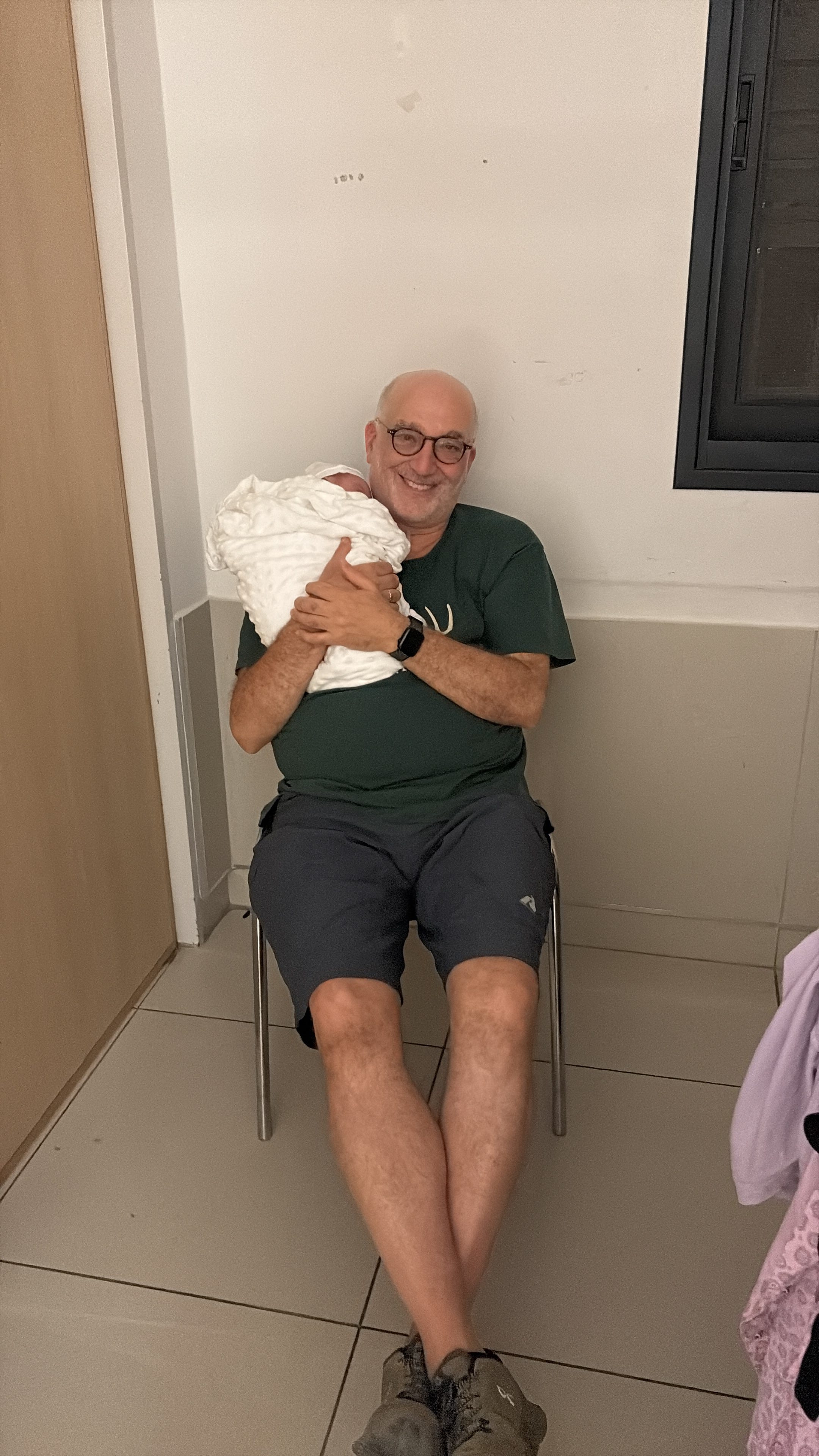
I was reminded of all that backstory a few months ago in Jerusalem. My eldest, Natan, and his partner, Yam, had a baby boy. The hospital they chose for the birth? Saint Joseph’s in East Jerusalem.
Nestled on a quiet, tree-lined street in the Sheikh Jarrah neighborhood, it’s a small hospital that does lots of births for the local Arab community as well as the ultra-religious community who lives just nearby. Its focus is on natural, unmedicated childbirth - midwife attended - with a real interest in supporting the birthing woman and her partner through their birth experience.
Given that it’s a small hospital with approximately 200 births monthly, there’s a lot of personal hands-on care, something that’s harder to provide at Hadassah’s Ein Karem and Mount Scopus campuses where more than 17,000 births (the 2 hospitals combined) were recorded in 2023. Plenty of women I know have had good experiences at all the area hospitals but when the legendary Misgav Ladach closed its doors to births in 2001, there was nowhere for women who might want a more forward thinking approach for a hospital-supported birth until Saint Joseph’s hired famed midwife, Sister Valentina. (Read more - from 2018)
While it’s a Catholic hospital in its origins, the nursing staff is mostly Muslim. They took excellent care of the new baby and his anxious first-time parents, offering them nursing support, tasty, takeaway food (Jewish patients have a daily food-ordering budget), and how-to-bathe your new baby demos offered in excellent English by one of the polite and smiling nurses who invited them to the nursery to take part in the experience. Once you’re a patient, you can also avail yourself of pre and post-natal care in the free clinic, something they took advantage of during the first week or so of healing, a nice and affordable extra offered to all patients.
Walking up to the hospital that first day of baby Teddy’s life - he was born early Shabbat morning, November 1st - I wondered at the parade of people, this as I passed by the Old City’s Damascus Gate before turning left onto Nablus Road, then past the American Colony Hotel entrance, followed by Shimon Hatzadik Street on my left before heading up the traffic circle that led me up to Ragab Nsasby Street, the British Consulate on my right until I reached the hospital. I saw religious families dressed in their Shabbat finery, Arab families out enjoying lunch in a cafe, kids riding bicycles, tourists with their backpacks on. (We were all sweating - it was a hot, hot day.)
A mixed grill of Jerusalemites.
Last week, I ‘hung out’ with Cardinal Kurt Koch, a bunch of Bishops, lots of Rabbis and those working in interfaith leadership for the 60 year celebration of Nostra Aetate, the landmark 1965 pronouncement of the Catholic Church regarding the Jews, namely “rejecting the charge of Jewish responsibility for the death of Jesus,” and the church’s affirming of the spiritual bond between Christians and Jews. (Thank you Rabbi Noam Marans for inviting me, he’s the American Jewish Committee’s (AJC) Director of Interreligious Affairs.)
The first person I saw? An actor from Theater in the Rough’s 2024 production of As You Like It. She’s a talented singer and musician, just passed the bar and started working as a lawyer. She’s also Muslim. (I considered it nothing more than miraculous that she auditioned and joined the team in ‘24, only 6 months after October 7th.)
As a kid, she attended the Magnificat Institute in Jerusalem in the Old City, a school that brings together Christian, Muslim, and Jewish students for excellent academics and learning musical skills. She still joins them, along with other graduates for choral performances, singing in English, Arabic, and Hebrew.
We hugged and said a quick hi before finding seats, looking around and admiring the fancy outfits of the Catholic church representatives, like a scene out of the movie, Conclave.
Each of the speakers including, Cardinal Koch, Rabbi Mark Dratch, and the panel moderated by writer, Matti Friedman, talked about the amazement of gathering together in Jerusalem to mark something that hadn’t been imagined before Nostra Aetate’s commitment to each community’s religious beliefs and differences while working to cultivate inter-religious relationships and understanding, something that has been exceptionally hard since October 7th led to the war in Gaza.
Nostra Aetate happened in a post WWII moment when Christians understood that their views towards Jews, Judaism, and salvation, revealed deep failings that the church had to accept were part of what led to the actions of the Holocaust. Actions led by Christians.
Looking at each other, Ira and I each agreed that a lot came before the Holocaust, including pogroms, the Crusades, and the Inquisition. Meaning plenty of Jewish murder because of Christian teachings. How do you apologize for what happened, that teaching of contempt? That contempt that continues to perpetrate the disdain towards Jews that is part of what influences the anti- Israel movement of today.
One of the speakers noted that suffering is not what G-d wants. Okay, I thought, but in an age-of-proportionality as a measure for who’s pain and suffering ration is most worthy, what will help us appreciate each other’s losses in a more open and holistic approach? Tell me please.
The panel discussion that followed revealed that in spite of the friendships that have developed as people - Jews and Christians - got to know each other and worked together, not enough has trickled down to Jews and Christians in the pews.
It made me think of my father and his interfaith work as Rabbi with Long Island clergy from all backgrounds. That first year, in the late ‘70’s that a service was held to celebrate Thanksgiving at the Malverne Jewish Center, in partnership with local Catholic, Protestant and Lutheran churches, was a proud moment for all the communities that joined together to honor shared beliefs.
Watching the final runs of the Women’s Snowboard Slopestyle Finals, I marveled at the Olympics and it all purports to represent, athletes from all across the world and from all religious beliefs and backgrounds, to just come together and enjoy the simple pleasures of one’s physical body’s abilities, and what it means to find success. What could the Olympics do to deepen the conversations athletes have and how could that help build a more inclusive and caring world for everyone?
Let me know your thoughts.
#PeaceIsPossible
Beautiful piece, Beth. Miss you. I'll be in Israel at the end of April.